Why Boys Without a Firm Father Struggle to Become Men
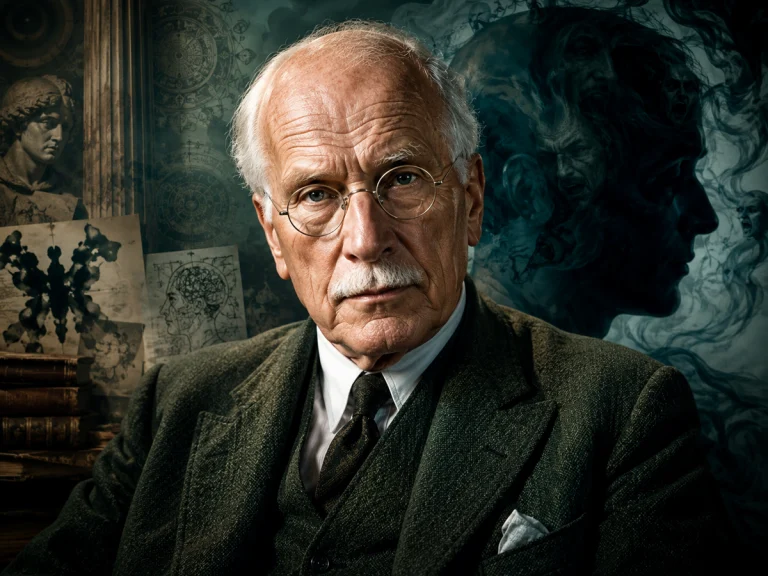
Sigmund Freud called it the “Law of the Father.” Not a metaphor. Not a philosophical concept buried in academic papers. A structural mechanism he believed every boy must pass through to become a functioning adult. And by most modern parenting standards, we’ve quietly dismantled it.
A son enters the world through the mother. Warmth, safety, unconditional acceptance – that environment builds the earliest sense of self. Freud never argued against it. What he argued was that it has to be broken, deliberately and at the right time, and that breaking it was the father’s specific job. The mother gives the child a self. The father teaches that self where it ends and where the world begins.
That rupture – limits, hierarchy, consequences that cannot be negotiated away with tears – is what forces the boy to separate from comfort and build something independent. Freud’s position was that the father represents security, power, and authority in the child’s psychological world, and that fathers are essential for the development of autonomy, moral structure, and identity. Remove that function entirely, and development doesn’t just slow. It stalls.
A lot of people confuse paternal authority with harshness. That conflation is exactly the problem. Authority doesn’t mean cruelty or emotional distance. It means a standard higher than comfort – a presence that holds firm when the child pushes back emotionally, that cannot be worn down by enough tears or enough pleading. When a father abandons that structural role to become only a friend, the organizing system collapses. Friendship feels kind in the moment. What it actually does is delay adulthood.
Freud wrote that the son must symbolically surpass the father. That process requires resistance, not indulgence. You cannot outgrow what never challenged you. Friction forges identity in a way that comfort simply cannot replicate – and no amount of warmth substitutes for it.
The data behind father absence makes this concrete. 75% of adolescent patients in mental health clinics come from fatherless homes. Children without a father figure are three times more likely to struggle with emotional self-regulation. 44% of children in fatherless homes live in poverty, compared to 12% in two-parent families. Boys raised without a father are twice as likely to commit a crime, even after controlling for income. According to the U.S. Census Bureau, 24.7 million American children – roughly one in three – lived in fatherless homes as of 2020, a number that has grown 25% since 1960. The generational trend moves in one direction, and its consequences show up in mental health clinics, courtrooms, and therapy offices every single day.
Historically, cultures understood this instinctively. Every major civilization built formal initiation rituals around the moment a boy separated from the maternal world. That separation was deliberate, structured, and often uncomfortable. The father, or the community of men, guided the boy into difficulty and earned responsibility. Risk structured maturity.
“The ordeal was the mechanism. Today, overprotection replaced it entirely.”
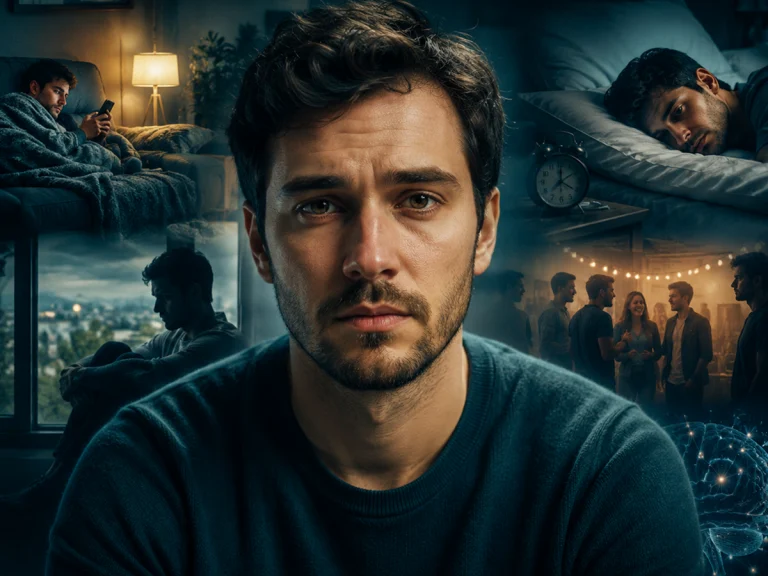
Modern parenting culture prizes emotional safety above almost everything else – and while emotional safety matters enormously, it became the only thing that mattered. The result is what developmental psychologists increasingly call extended adolescence: men in their late twenties and thirties still seeking approval, still avoiding hard decisions, treating ordinary conflict like psychological trauma.
Authority without love produces fear. Love without authority produces confusion. The balance between the two defines healthy development, and too much softness on one side delays the exit from childhood as surely as too much severity on the other. That balance is not a compromise. It is the actual structure of what good fatherhood looks like.
Friendship between father and son is possible – and can be genuinely meaningful. But only after psychological equality is earned through years of challenge and growth. First comes discipline and distance. Then comes mutual respect between two adults who both know what it took to get there. Reverse that sequence, and neither happens properly.
The boy who was never pushed stays a boy. The father who understood that gave his son something no amount of warmth alone ever could: a reason to grow past him.